Swiss Gender Medicine Symposium 2026
On 26 and 27 October 2026, the second Swiss Gender Medicine Symposium took place at Kursaal Bern. 370 experts from medicine, research, business and politics discussed how findings on sex and gender differences can be translated into clinical practice, research and health policy. The symposium was initiated by Initiative Switzerland together with the University of Zurich.
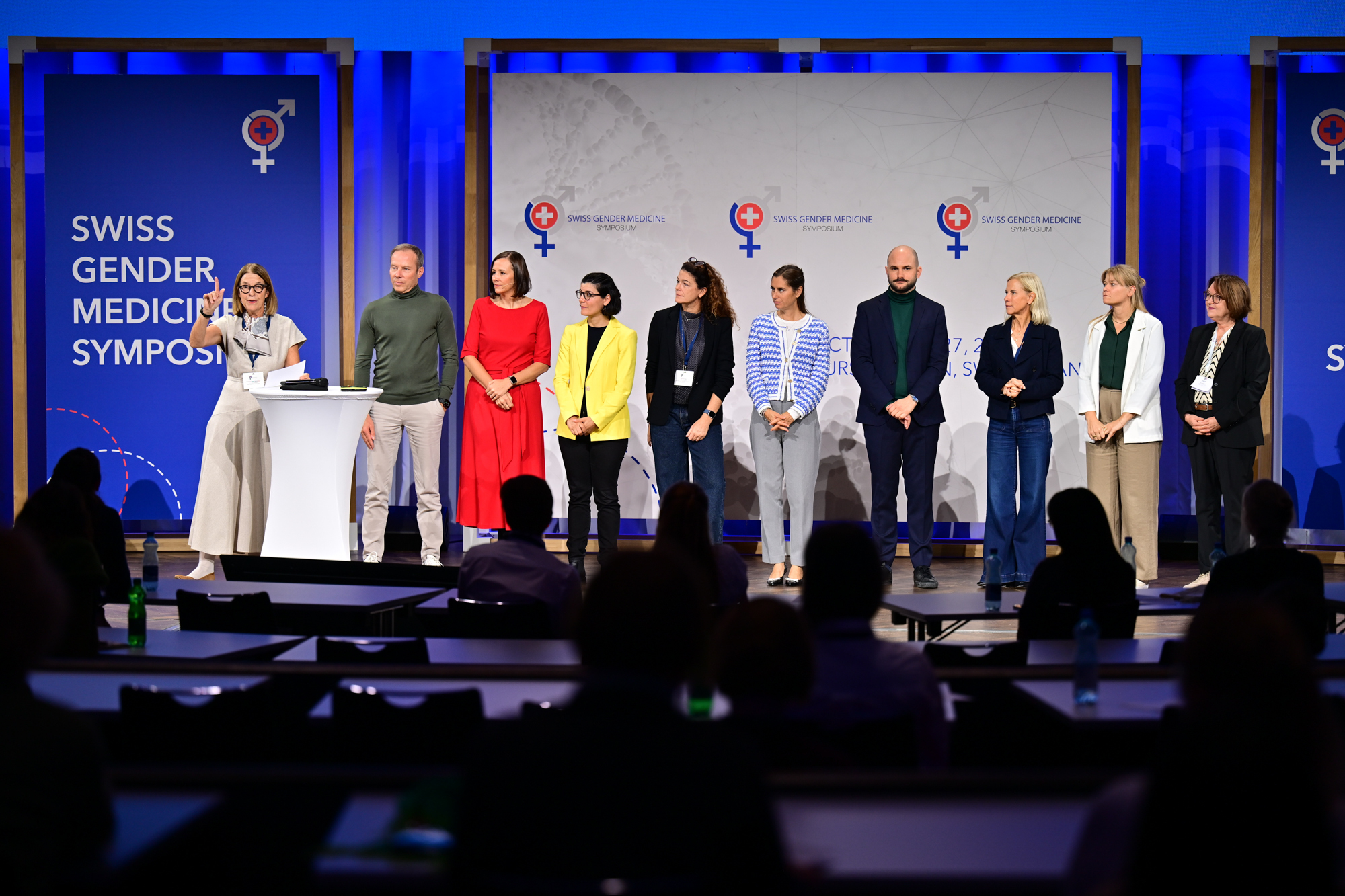
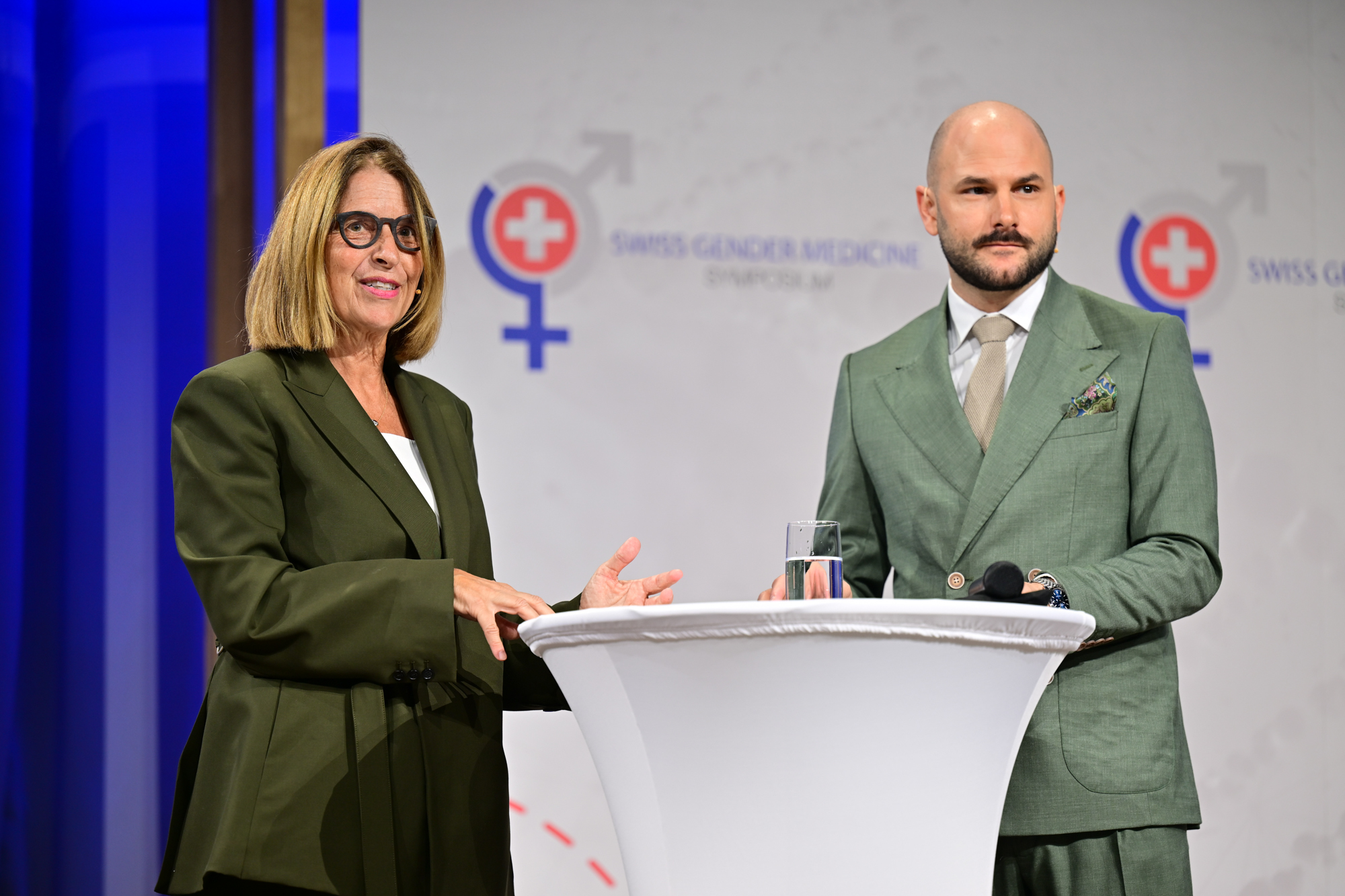
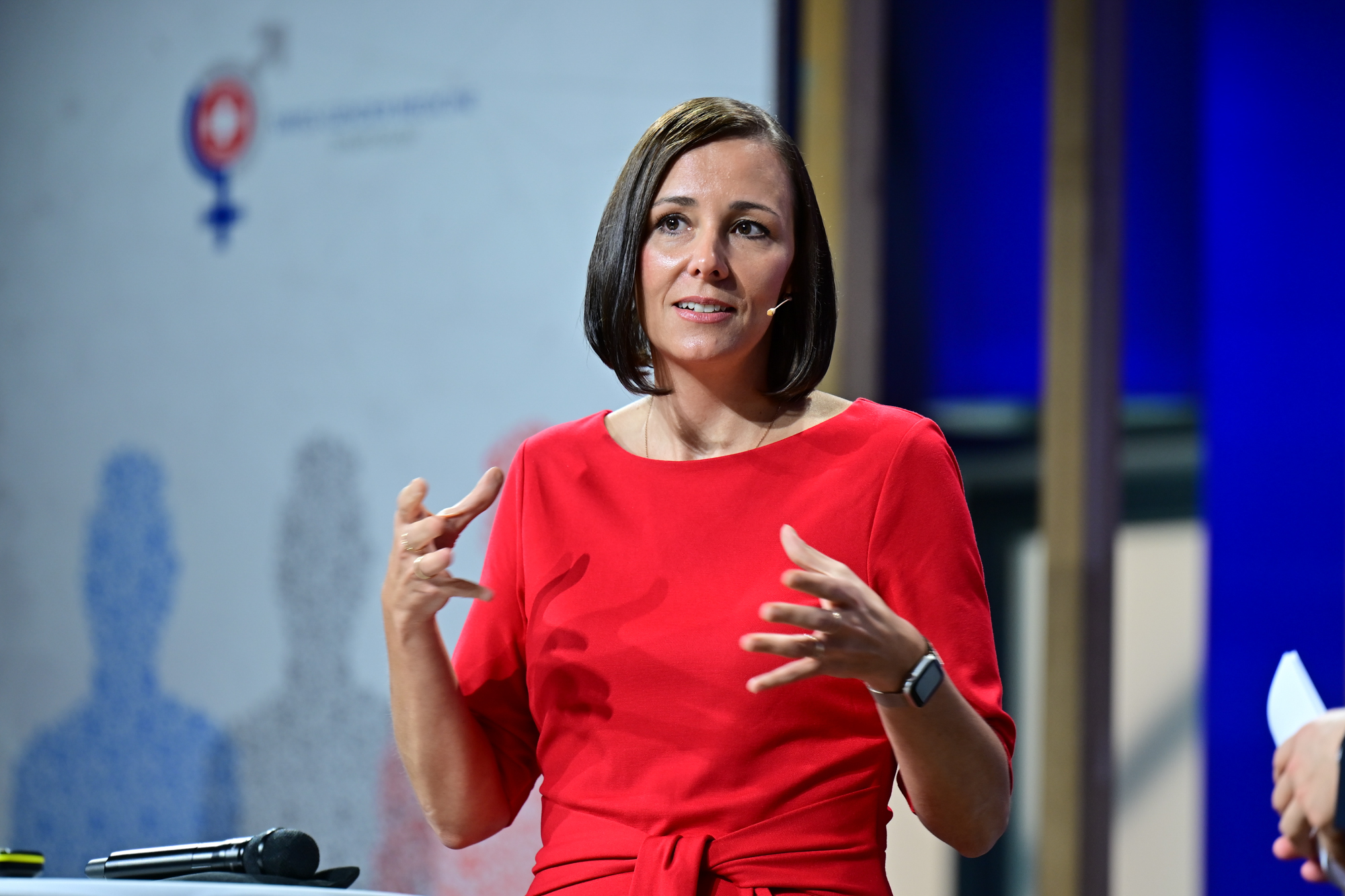
Gender medicine reaches far beyond individual specialties. It changes how diseases are researched, diagnosed and treated. This breadth shaped the Swiss Gender Medicine Symposium 2026. In her opening address, Beatrice Beck Schimmer, Director of University Medicine Zurich, explained why research, clinical practice, industry, politics and education need to work together so that the findings of gender medicine actually reach patient care.
The two-day programme took up these different perspectives. Presentations and discussions ranged from basic research and clinical care to men's health, research funding and education, and on to political frameworks and gender bias in artificial intelligence. One question came up again and again: how can sex and gender be considered more consistently, and how can existing findings be translated into medical practice?
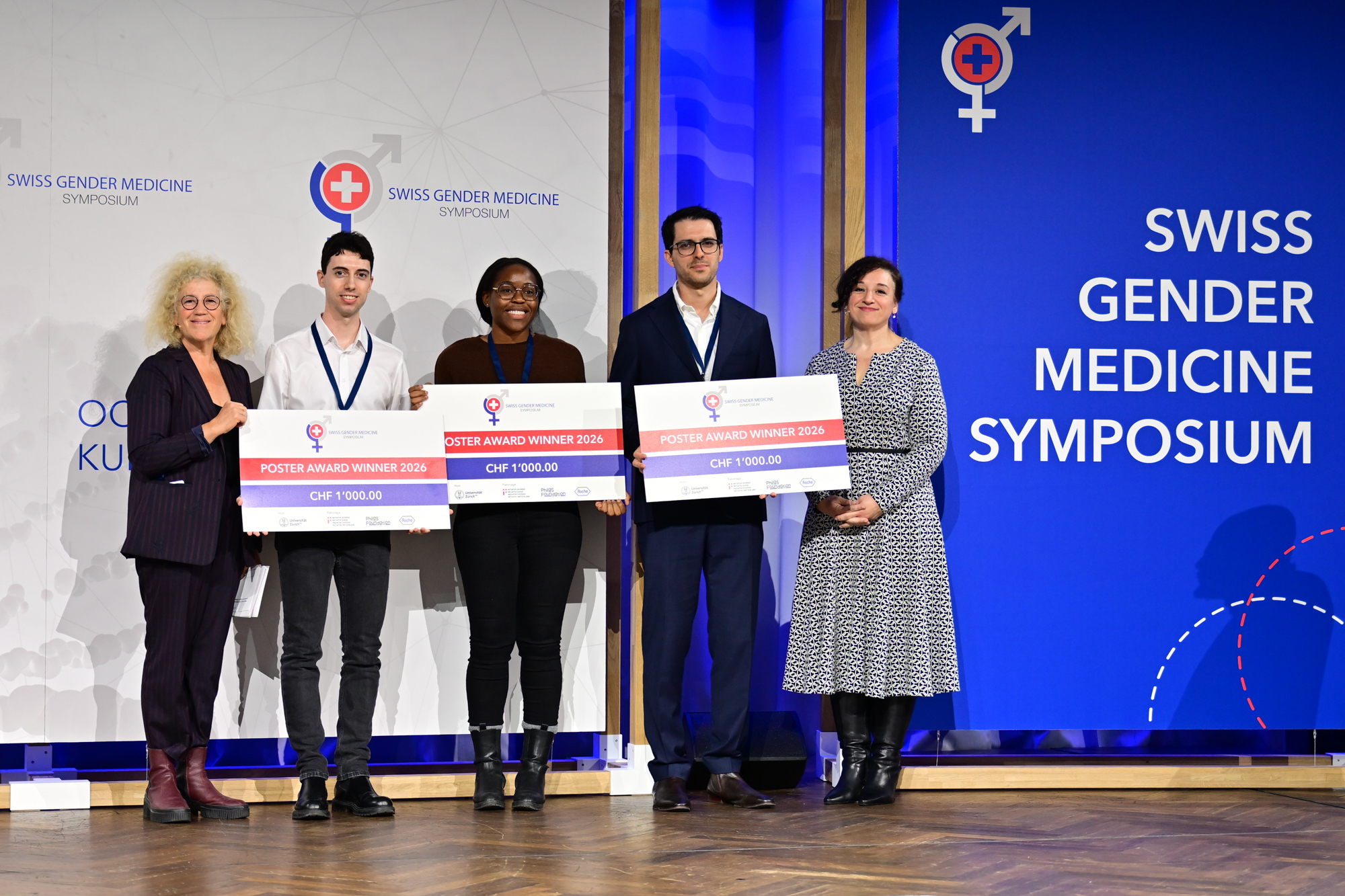
The research of tomorrow also played an important role. Around 100 posters were accepted for presentation, and 14 entries made it into the Poster Award Competition. The best research projects received Poster Awards at the symposium.
Towards more precise medicine
What role do biological sex and social gender factors play in research and medical practice? The media report by Marita Fuchs summarises the key findings and perspectives of the Swiss Gender Medicine Symposium 2026.


Outlook 2027
The third Swiss Gender Medicine Symposium will take place on 18 and 19 October 2027, again at Kursaal Bern. Much remains to be done until then: existing knowledge gaps must be closed, findings must be translated more consistently into clinical practice, and sex and gender must be anchored more firmly in research, education and health policy. The 2027 symposium will continue this dialogue and focus on the next steps towards more precise medicine.